
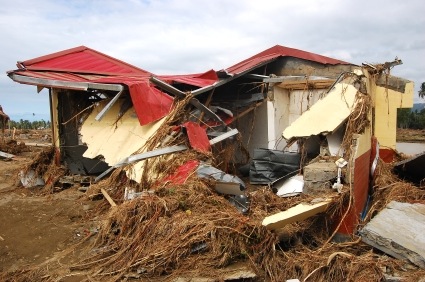
The typhoon that hit the Philippines is being called "the perfect storm" due to its size, symmetry and tightness of the eye. Typhoon Haiyan hit land in the Samar and Leyte provinces, ready to do extensive damage. The sustained winds blew at 160 miles per hour and the storm surge was 16 feet.
The Storm's Impact
The surge is what caused most of the damage (although the winds certainly didn't help), first sweeping away Tacloban, a port city. As of mid-November, the death toll was 2,300, expecting to continue climbing as more areas are cleared out. The death toll includes people who were drowned, struck by debris or caught underneath rubble. Ultimately, the typhoon damaged six islands, affecting approximately 11 million Filipinos, many of whom were either displaced or left homeless.
Challenges in Disaster Relief
Unfortunately, the victims of the typhoon haven't received nearly enough assistance. City and provincial governments aren't able to do much, as they themselves have been greatly affected. Many people still don't have access to the food, clean water, medical treatment or shelter that they so desperately need. Poor sanitation and a lack of clean water carry the biggest health threats. According to the local government, there will be a growing amount of help moving forward as more American military operations respond and outside help comes to provide aid.
A Region Prone to Disaster
Disasters like these are common to this area of the world. The Philippines has the highest rate of earthquakes and volcanic eruptions in the entire world. Landslides are also a common problem in the area, causing people to move to the coast. Global warming is also increasing the possibility of damaging tropical storms. Responding to the disaster isn't the only thing to do — preparations have to be made for possible future disasters, too. Economic growth will also help prevent such widespread devastation — as the economy grows, people won't be forced to live in areas that are so susceptible to storms.
Major disasters like Typhoon Haiyan remind us of the importance of disaster preparedness and the need for global aid efforts. Organizations like the Red Cross provide essential assistance to affected communities around the world.
Whether traveling domestically or abroad, review our rental car safety tips to stay prepared for any situation.